





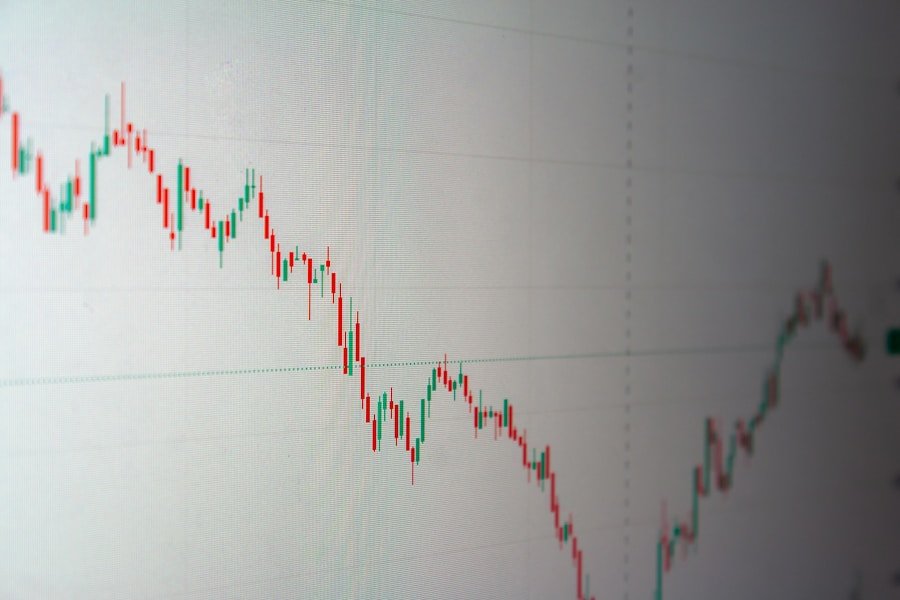
The suspension of the GBP (Great British Pound) has had a significant impact on the global economy. The GBP is one of the most widely used and traded currencies in the world, and its suspension has caused widespread uncertainty and volatility in financial markets. The suspension has also had a major impact on international trade, as many businesses rely on the GBP for their transactions. The uncertainty surrounding the future of the GBP has led to a decrease in investment and consumer confidence, which has had a negative impact on economic growth.
Furthermore, the suspension of the GBP has also had a significant impact on the UK economy. The value of the GBP has plummeted, leading to higher import costs and inflation. This has put pressure on businesses and consumers, as they are forced to pay more for goods and services. Additionally, the uncertainty surrounding the future of the GBP has led to a decrease in foreign investment in the UK, which has had a negative impact on economic growth and job creation. Overall, the suspension of the GBP has had a profound impact on the global economy and has created significant challenges for businesses, consumers, and policymakers.
The current economic landscape is characterized by uncertainty and volatility. The suspension of the GBP has created significant challenges for businesses and consumers, as they are forced to navigate through a period of economic instability. The value of the GBP has plummeted, leading to higher import costs and inflation. This has put pressure on businesses and consumers, as they are forced to pay more for goods and services. Additionally, the uncertainty surrounding the future of the GBP has led to a decrease in foreign investment in the UK, which has had a negative impact on economic growth and job creation.
Furthermore, the current economic landscape is also characterized by a decrease in investment and consumer confidence. The suspension of the GBP has created uncertainty in financial markets, leading to a decrease in investment and consumer spending. This has had a negative impact on economic growth and job creation, as businesses are forced to cut back on investment and hiring. Overall, the current economic landscape is characterized by uncertainty and volatility, which has created significant challenges for businesses, consumers, and policymakers.
In order to recover from the impact of the suspended GBP, it is essential for policymakers to implement strategies that will stimulate economic growth and restore confidence in financial markets. One strategy that can be implemented is fiscal stimulus, which involves increasing government spending and cutting taxes in order to stimulate economic activity. This can help boost consumer spending and business investment, which can help drive economic growth.
Another strategy that can be implemented is monetary stimulus, which involves lowering interest rates and implementing quantitative easing in order to stimulate lending and investment. This can help lower borrowing costs for businesses and consumers, which can help stimulate economic activity. Additionally, policymakers can also implement structural reforms that can help improve productivity and competitiveness in the economy. This can help drive long-term economic growth and job creation.
In order to restore confidence in financial markets, it is essential for policymakers to strengthen financial policies and regulations. One way to do this is by implementing measures that will increase transparency and accountability in financial markets. This can help restore confidence in financial markets and prevent future crises from occurring.
Another way to strengthen financial policies and regulations is by implementing measures that will increase oversight and regulation of financial institutions. This can help prevent risky behavior and ensure that financial institutions are operating in a safe and sound manner. Additionally, policymakers can also implement measures that will increase capital requirements for financial institutions, which can help ensure that they have enough capital to withstand future shocks.
In order to restore investor confidence, it is essential for policymakers to foster an environment that is conducive to investment. One way to do this is by implementing measures that will reduce regulatory burdens on businesses and encourage investment. This can help attract investment and stimulate economic activity.
Another way to foster investor confidence is by implementing measures that will increase transparency and accountability in financial markets. This can help restore confidence in financial markets and encourage investment. Additionally, policymakers can also implement measures that will provide incentives for investment, such as tax breaks or subsidies for businesses that invest in certain sectors of the economy.
In order to address the impact of the suspended GBP, it is essential for policymakers to collaborate with international partners in order to coordinate a global response. This can involve working with other countries to implement measures that will stimulate economic growth and restore confidence in financial markets. Additionally, policymakers can also work with international organizations such as the IMF (International Monetary Fund) and the World Bank in order to access financial assistance and technical expertise.
Another way to collaborate with international partners is by working with other countries to implement measures that will promote trade and investment. This can help stimulate economic activity and create new opportunities for businesses and consumers. Additionally, policymakers can also work with international partners to address global challenges such as climate change and cybersecurity, which can have a significant impact on the global economy.
In order to address the impact of the suspended GBP, it is essential for policymakers to monitor and adapt to market changes in order to respond effectively to new developments. This can involve monitoring financial markets in order to identify potential risks and vulnerabilities, as well as adapting policies in order to address new challenges.
Another way to monitor and adapt to market changes is by working with international partners in order to coordinate a global response. This can involve sharing information and best practices in order to address common challenges and promote global economic stability. Additionally, policymakers can also work with international organizations such as the IMF (International Monetary Fund) and the World Bank in order to access financial assistance and technical expertise.
In conclusion, the impact of the suspended GBP has had a significant impact on the global economy, creating challenges for businesses, consumers, and policymakers. In order to address these challenges, it is essential for policymakers to implement strategies that will stimulate economic growth, restore confidence in financial markets, strengthen financial policies and regulations, foster investor confidence, collaborate with international partners, and monitor and adapt to market changes. By working together to address these challenges, policymakers can help restore stability and promote long-term economic growth.